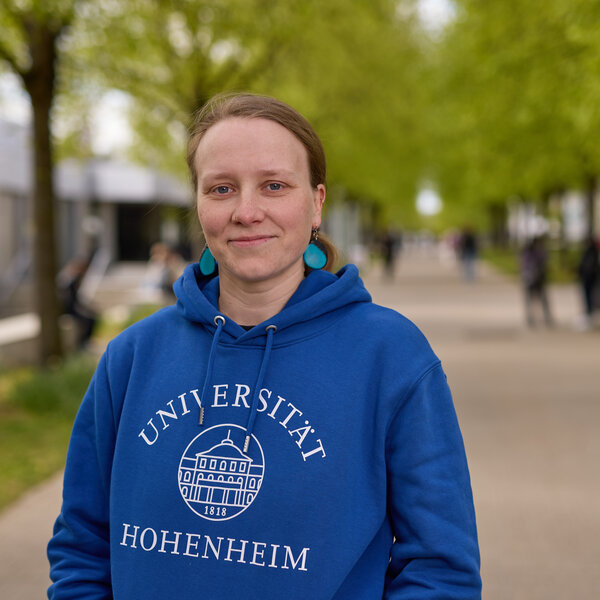
Saskia Regorius
Active student member of the Sustainability working group
You’re involved in the university’s Sustainability working group (AKN). What does that entail, and how did you get started?
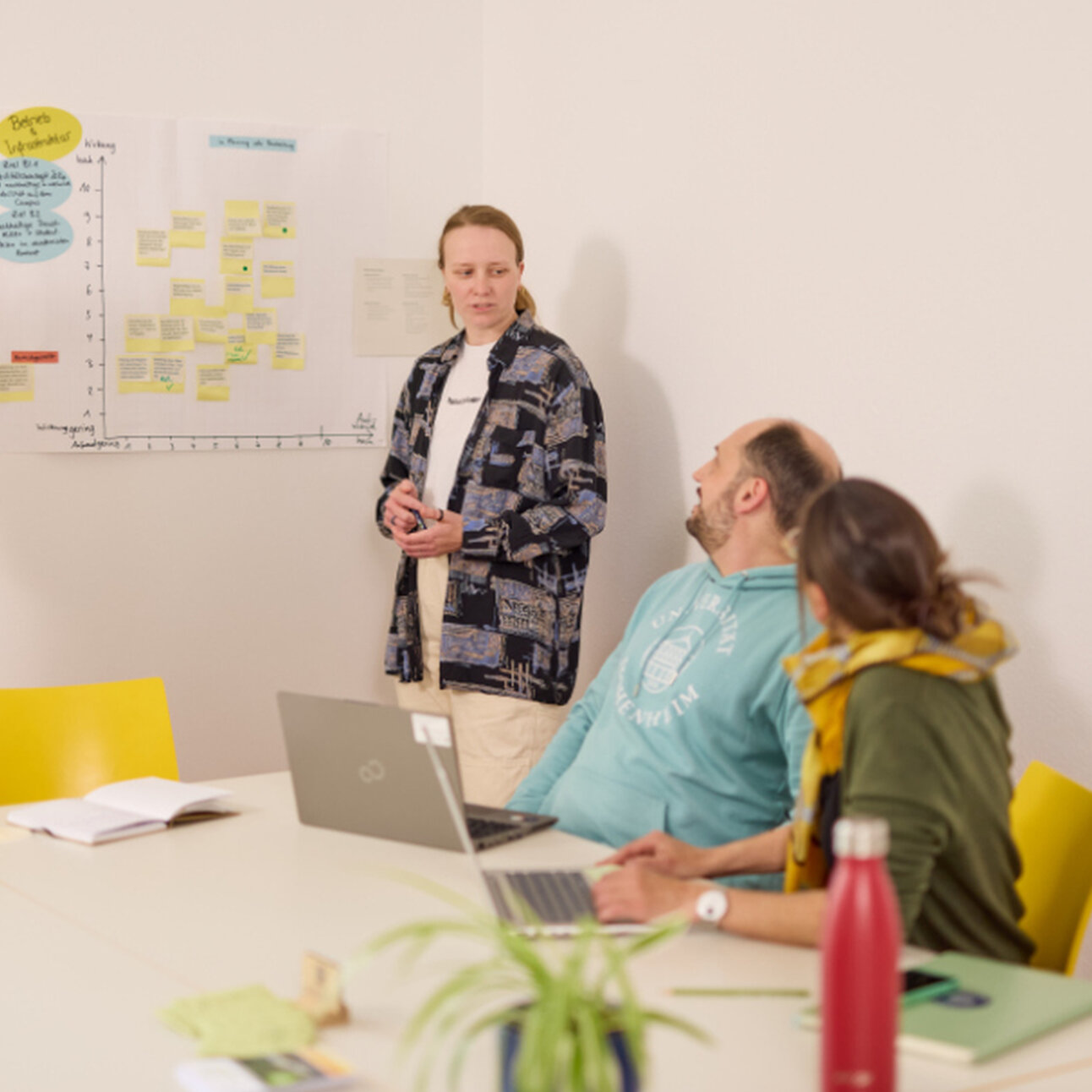
Taking the module “Exploring Regional Transformation through Utopias” in summer 2025 proved genuinely inspiring. We visited many places where people actively work on sustainable projects and live them out in daily life. The interactive format placed strong weight on self-reflection during the examinations. Its holistic approach let me connect knowledge and impressions from every part of life to a scientific context and understand them more deeply. Soon after, I had the great opportunity to join Anna Struth as a student assistant on the T.R.E.E. project and help organize a teaching symposium. That close collaboration between teaching staff and AKN students opened the door for me to get involved in the group itself. The AKN is a student group that welcomes anyone with ideas or projects related to sustainability, whether on our campus or beyond. It also played a role in developing the T.R.E.E. project modules.
The AKN also organizes the annual “Grüne Hütte” (Green Hut). What’s that about, and who can take part?
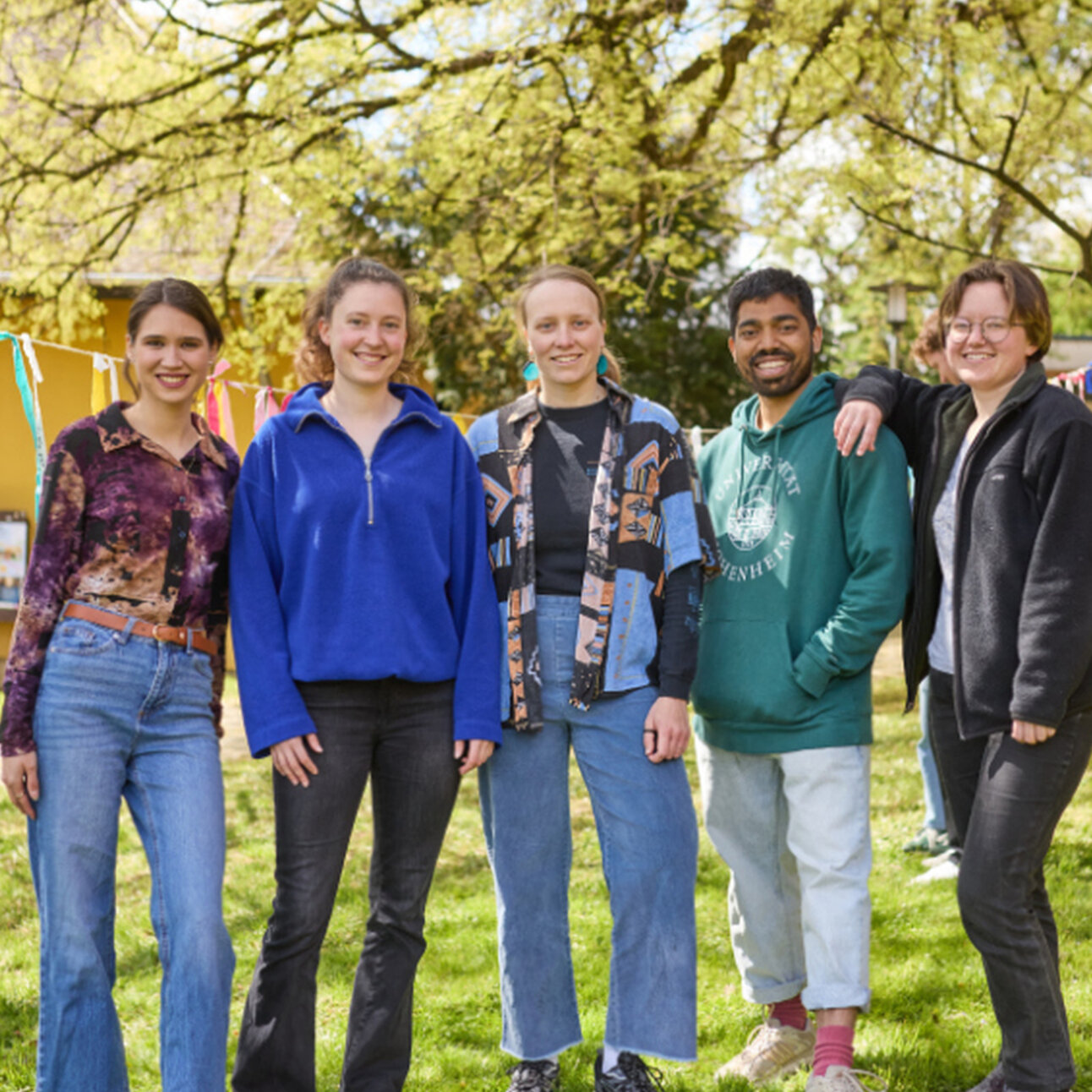
The Green Hut is a multi-day getaway into nature, organized by students for students of the University of Hohenheim. Participants can join a wide range of workshops focused on sustainability, and there’s never any shortage of creativity, fun, and delicious home-cooked meals made from rescued food. Students themselves plan and lead the whole program, which includes workshops and creative sessions such as linocut printing, dance, and yoga. The goal is simply to create space for exchange among people and different student groups who share an interest in sustainability. If I had to sum up the Green Hut in two words, they’d be inspiration and community.
From a student’s point of view, what still needs improving at the university when it comes to environmental protection, accessibility, or other aspects of a more sustainable campus? What do you see as the most pressing issues?
We need more outdoor learning spaces and informal places where people can spend time and connect on campus – especially after 4 or 5 p.m., when the canteen and cafeteria close. Outdoor learning areas support a more holistic style of teaching and are also useful for self-study, while better gathering spaces help strengthen the sense of community across the university.
What has excited you most about your involvement, and what do students need to enjoy their engagement over the long term?
Having the chance to exchange ideas and discuss urgent topics with other students mattered a great deal to me. What struck me even more was seeing how each person brings different skills and knowledge to a project, and how together we really do have the power to change things on campus – and, ideally, inspire others to get involved as well. Working together to make the campus more sustainable feels deeply rewarding. The challenge is keeping that personal commitment going across several areas when studies necessarily come first. Alongside my university activities, I have also completed a number of extracurricular courses; combining the two has strengthened my own learning path. Expanding the Portfolio module would be a real help, as it could formally support these kinds of activities, make it easier to bring external insights into my studies, and let me develop further in the areas that matter most to me.
Practically speaking: How can I get involved if I want to help shape the university as a student? How do I join the AKN?
We meet every other Monday at 6 p.m. in the beautiful Green Office. Food is taken care of through a potluck: Anyone is welcome to bring something vegan to share, though that is certainly not required. You can simply drop in, without signing up beforehand, and get a feel for the projects currently under way. Your ideas and opinions are genuinely valued. Creativity and fun are part of the mix, so come ready to be surprised!
Thank you for the conversation!
June 2026